Walter Benjamin attested to its „magical value,“ Susan Sontag described it „as something
magical,“ and for William Henry Fox Talbot it was a bit of „natural magic“ come true.
They were referring to the analog photographic process, which, of course, has fascinated me
from my discovery of it as well. Looking through a magnifying glass at a roll of developed reversal
film there was the relieving assurance of having captured what you were after but also, now and
then, the elation caused by something totally unexpected – an undesired exposure, contrast that
was too high, motion blur, unwanted light reflections.
Those were images on an entirely different level that had nothing to do with technical
prowess. They were images of a different kind altogether. Alexander von Humboldt spoke of
the first daguerreotypes as „objects that paint themselves“ and of „light, forced by chemistry,
to leave lasting traces“.
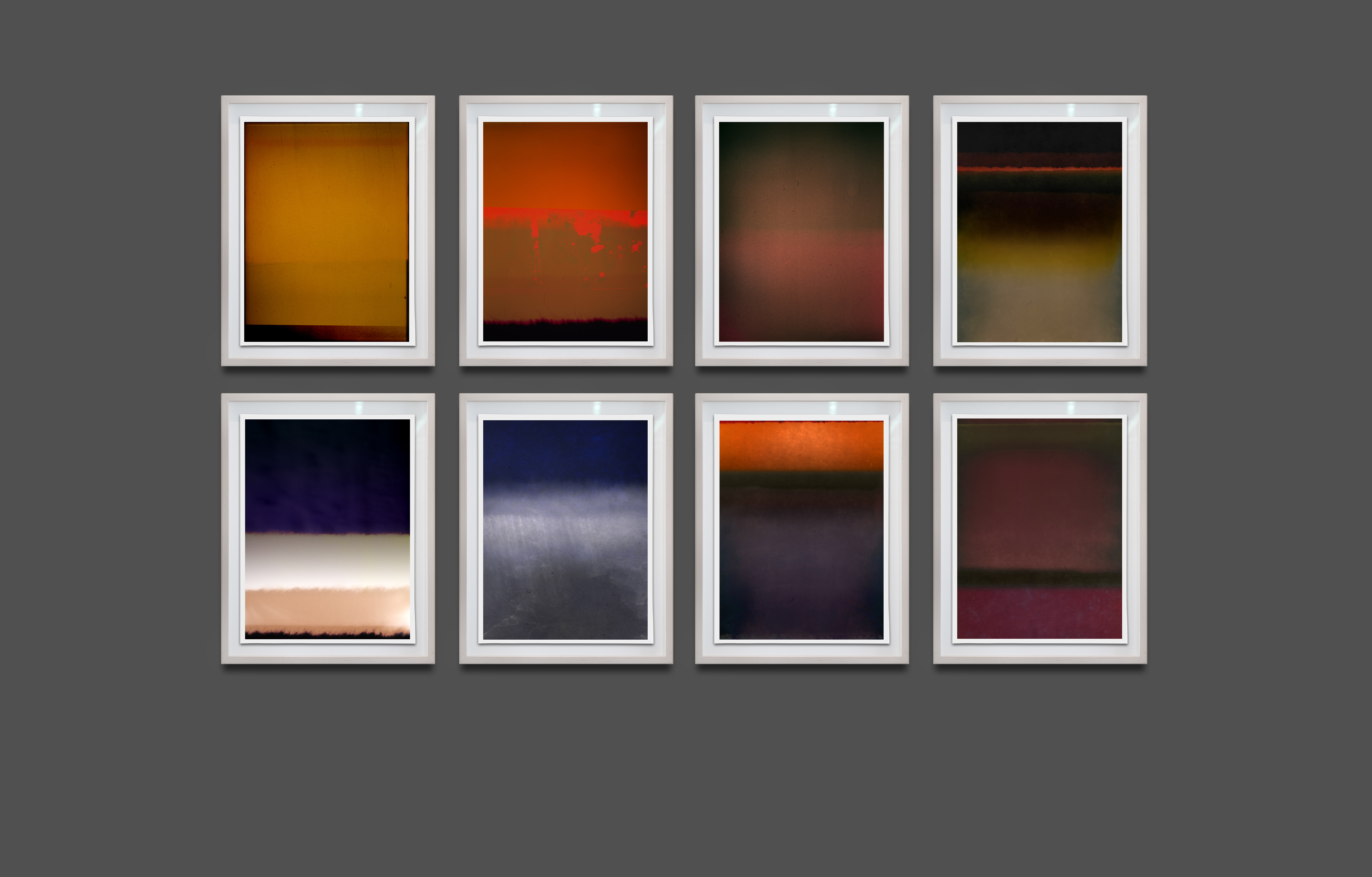
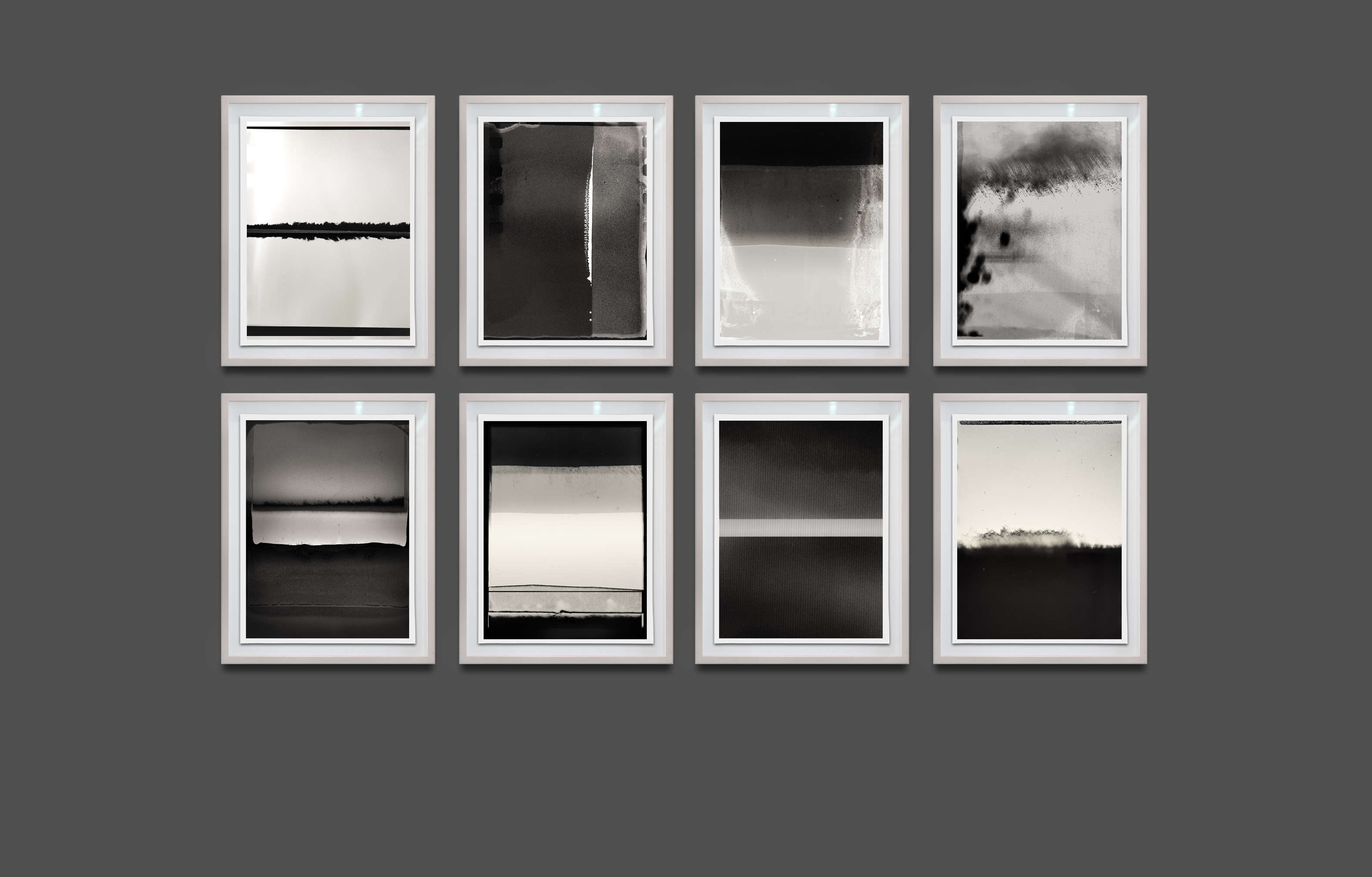
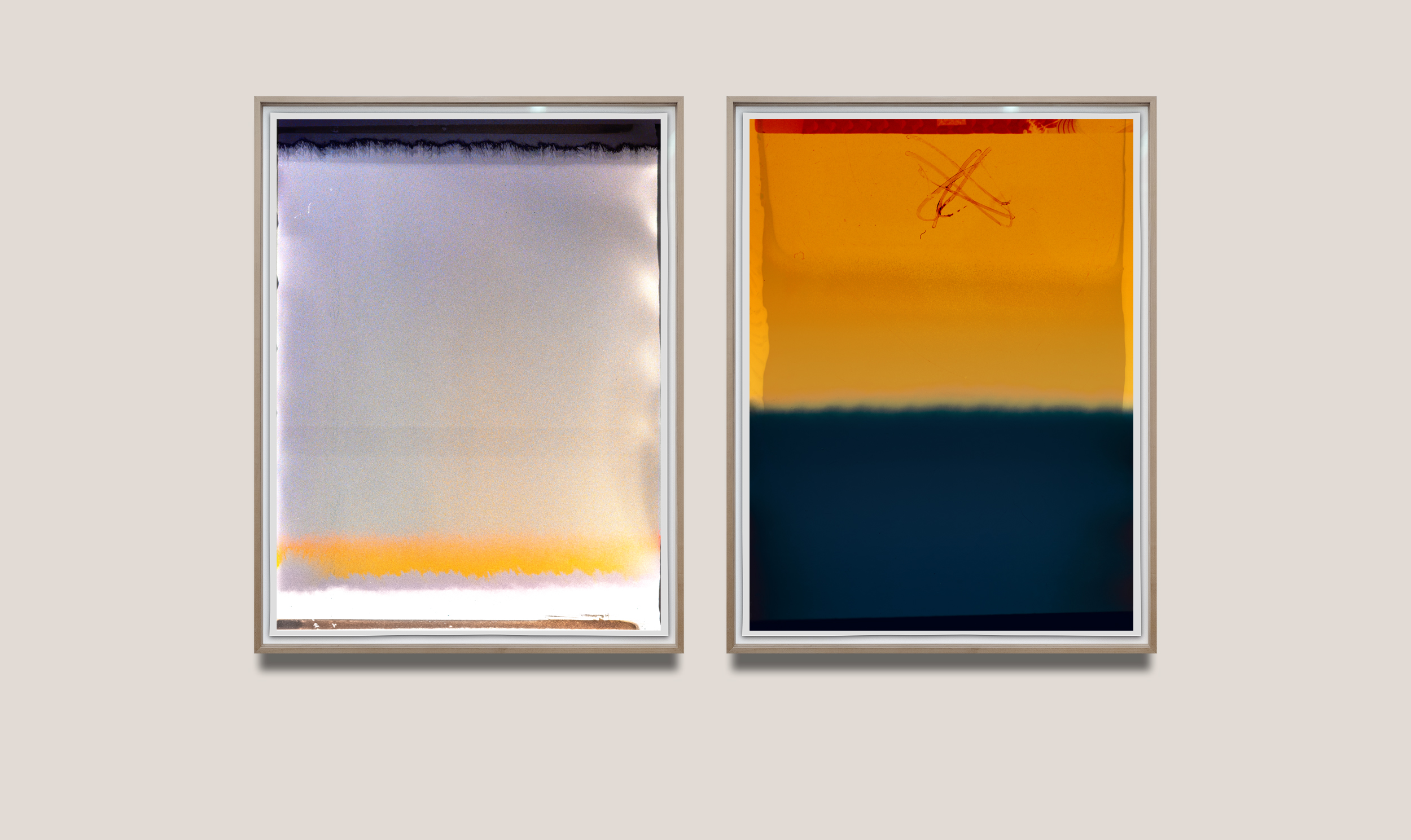
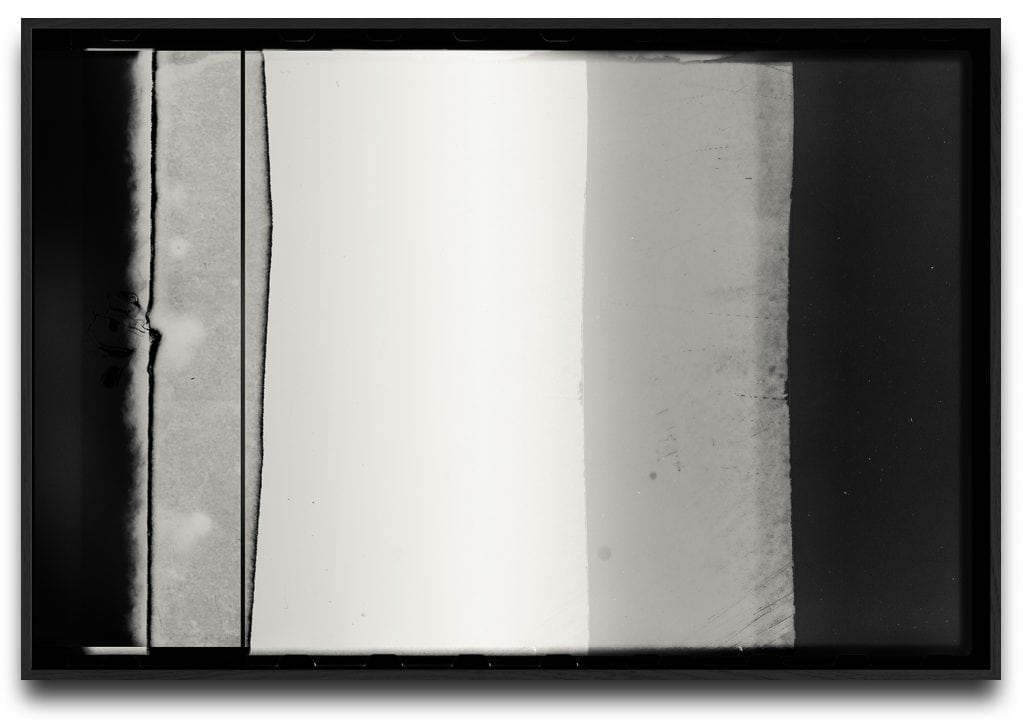
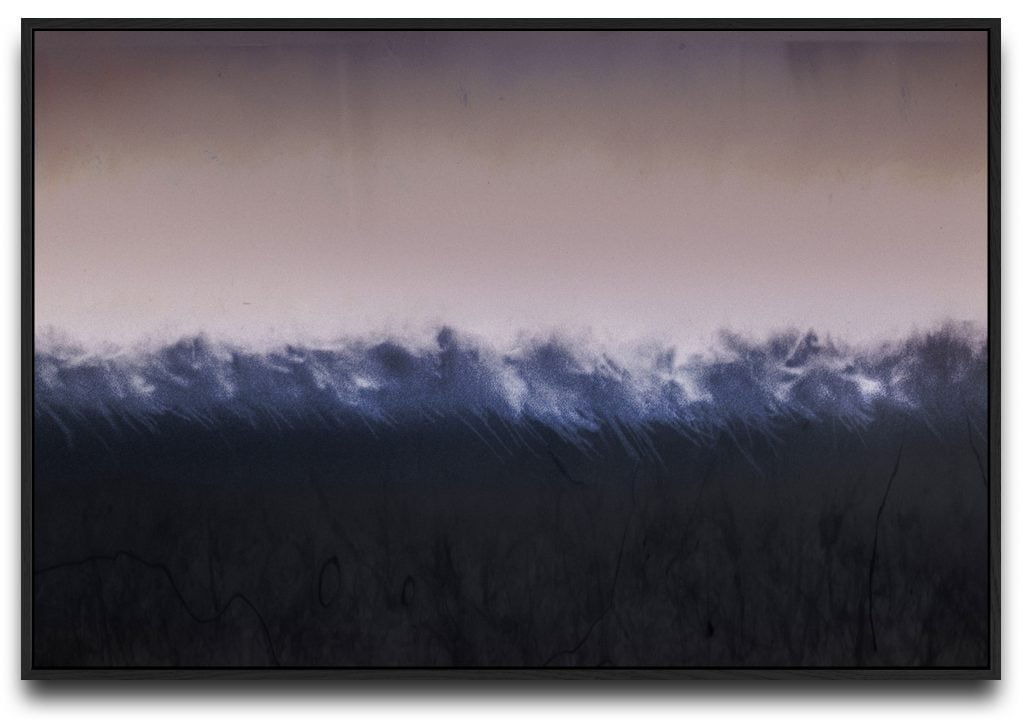
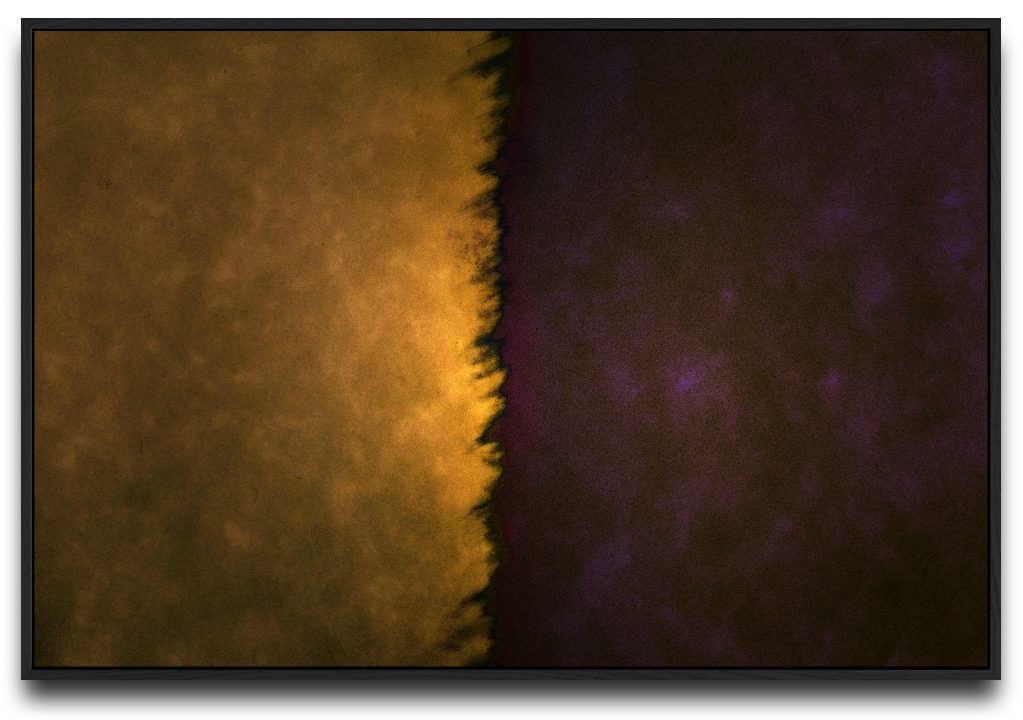
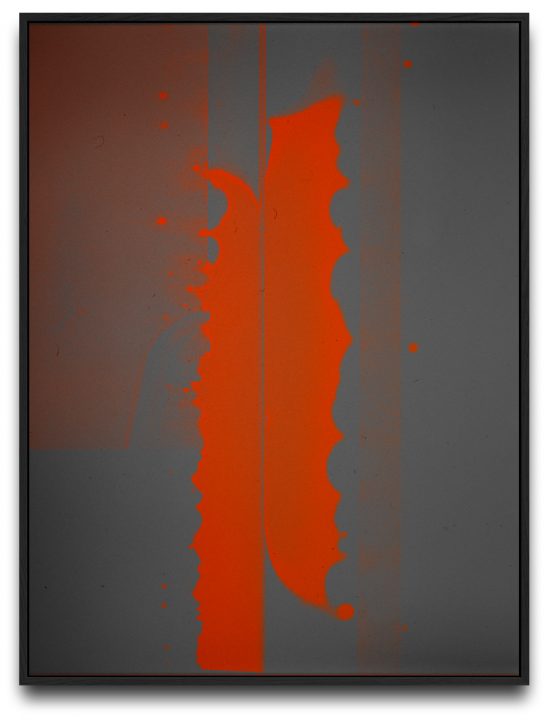
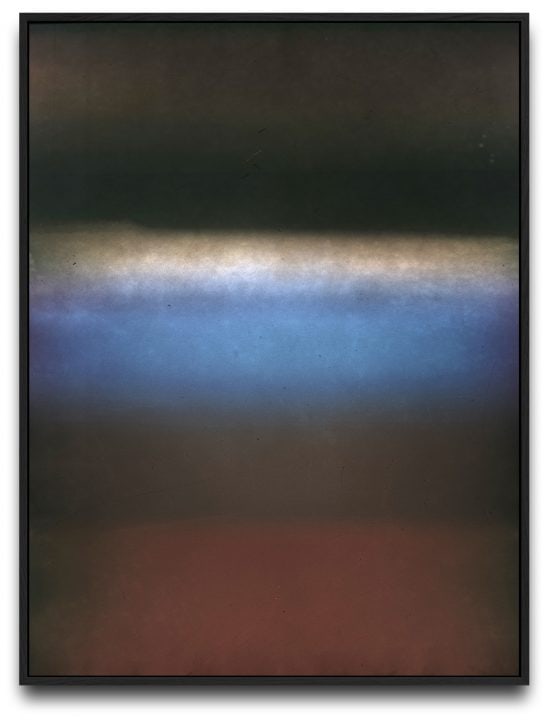
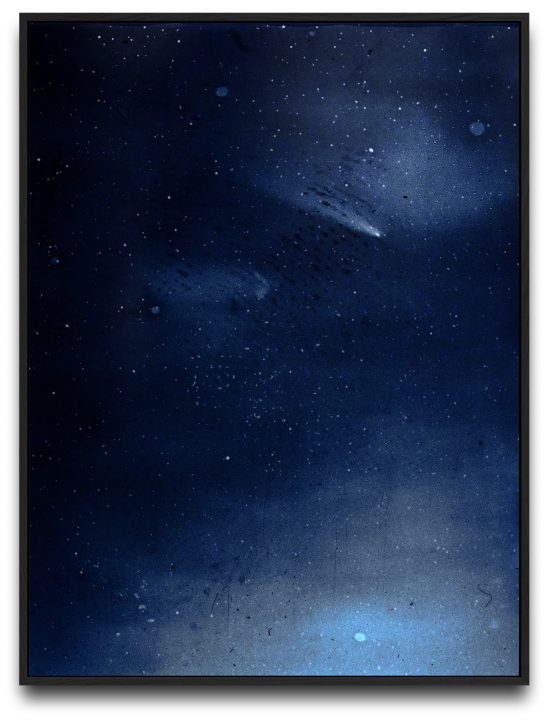
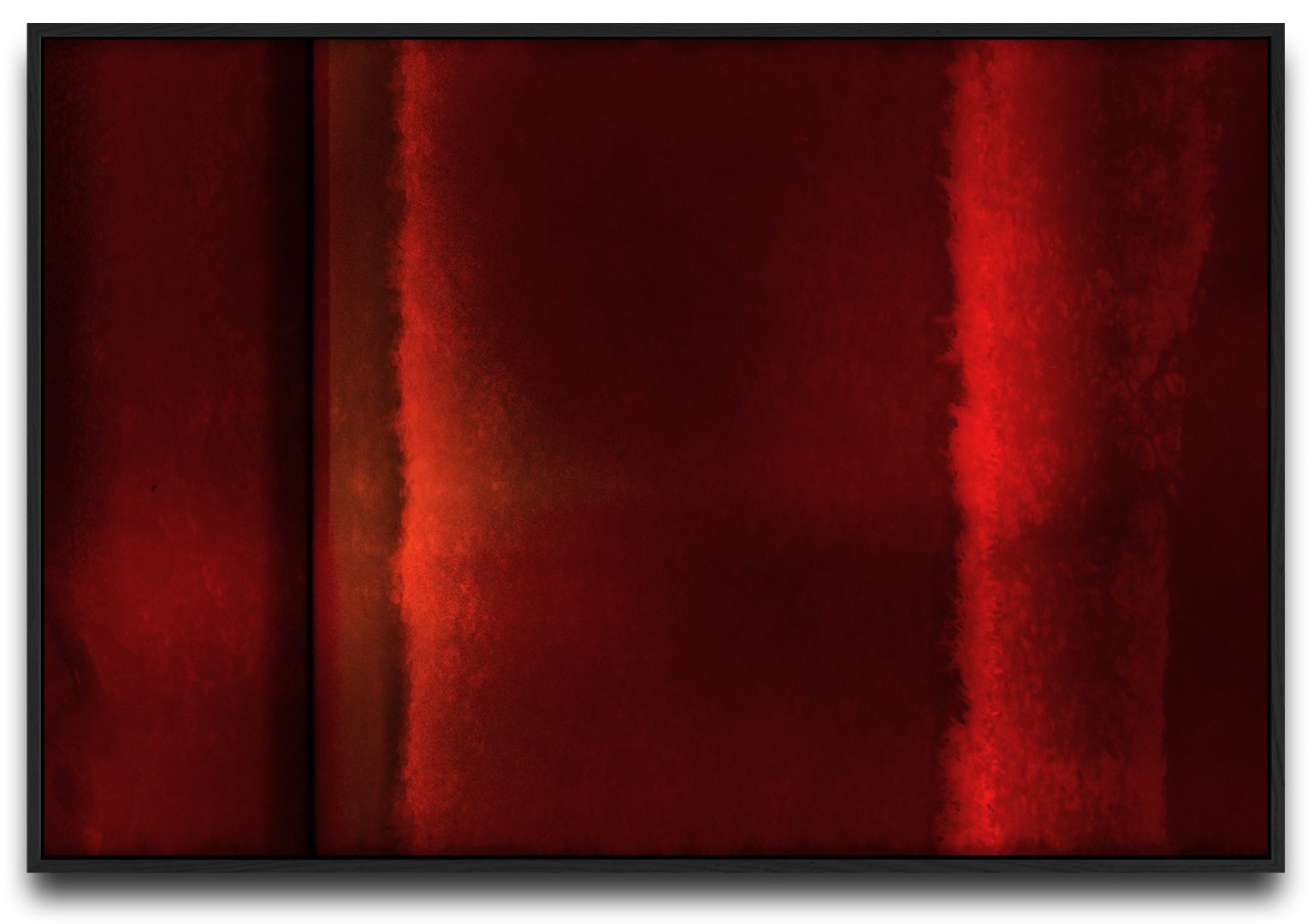
Some of these magical „traces“ kept catching my eye.
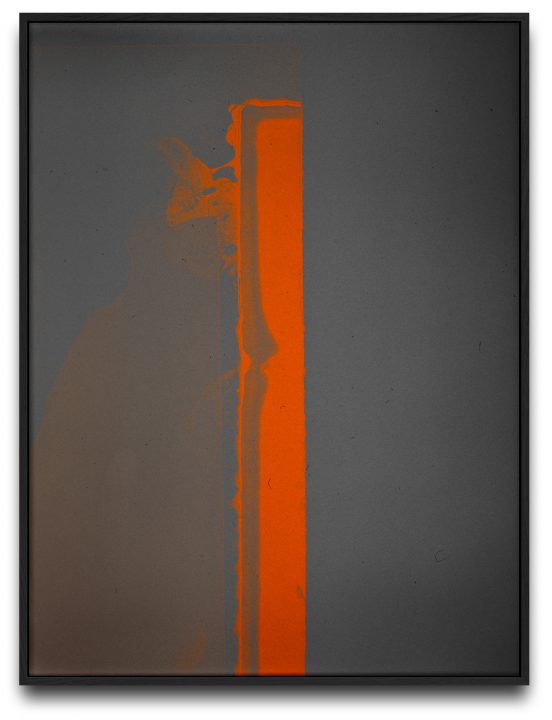
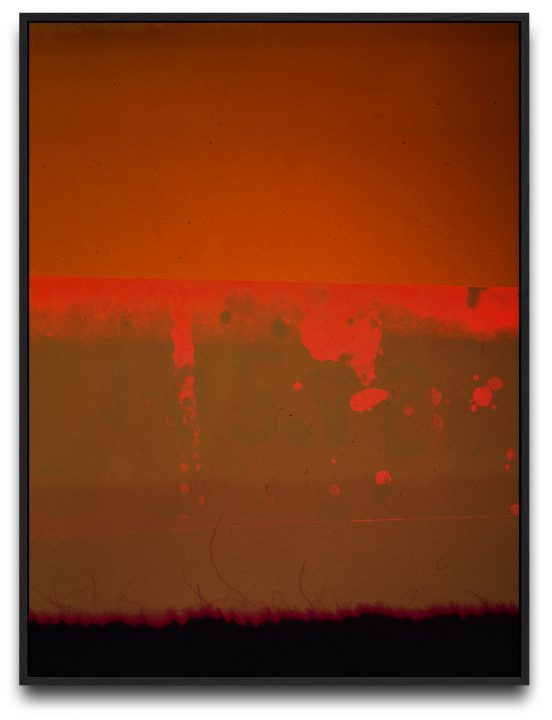
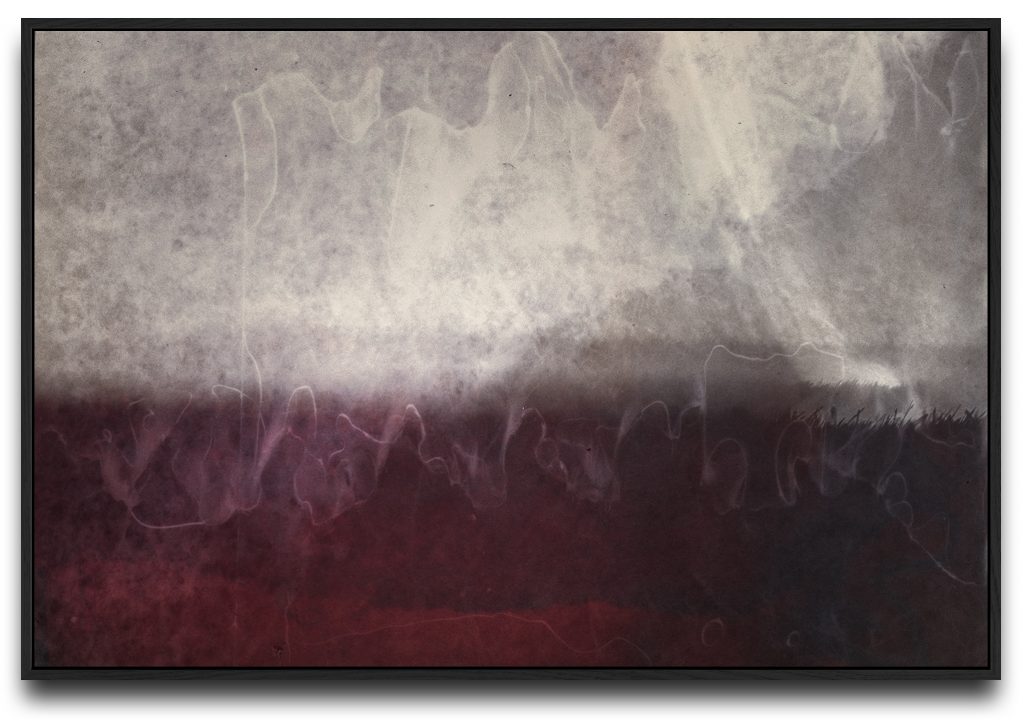
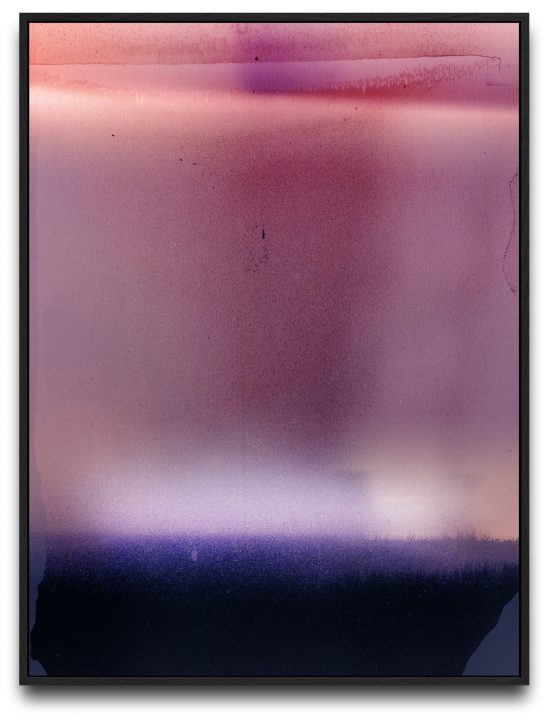
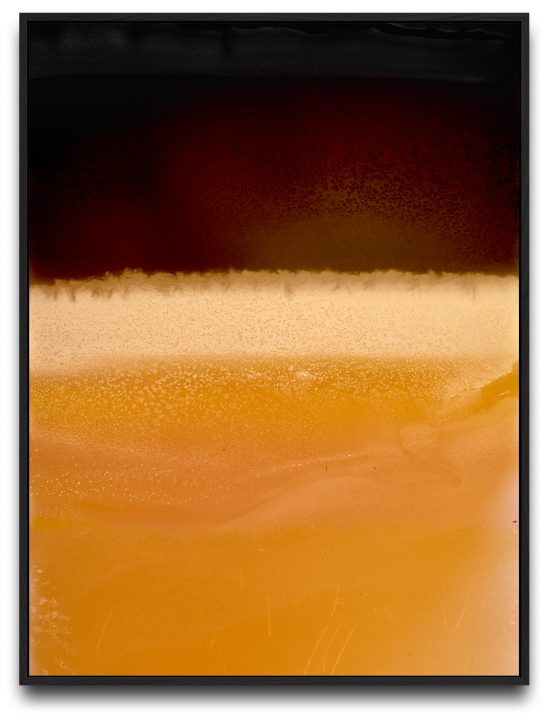
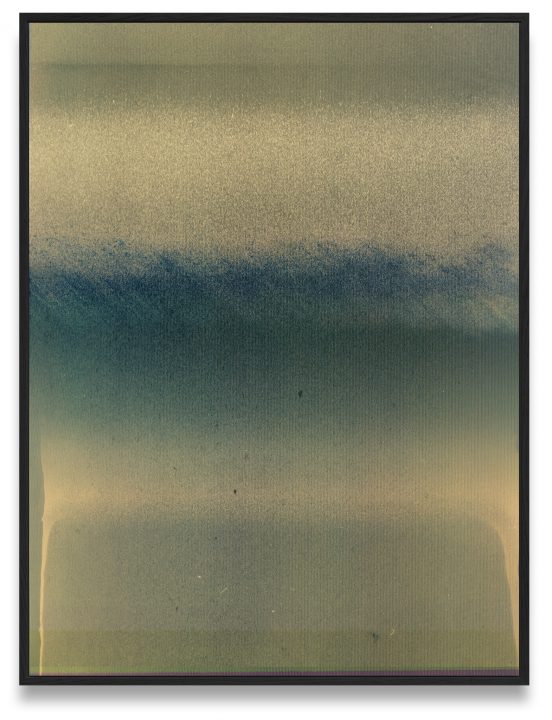
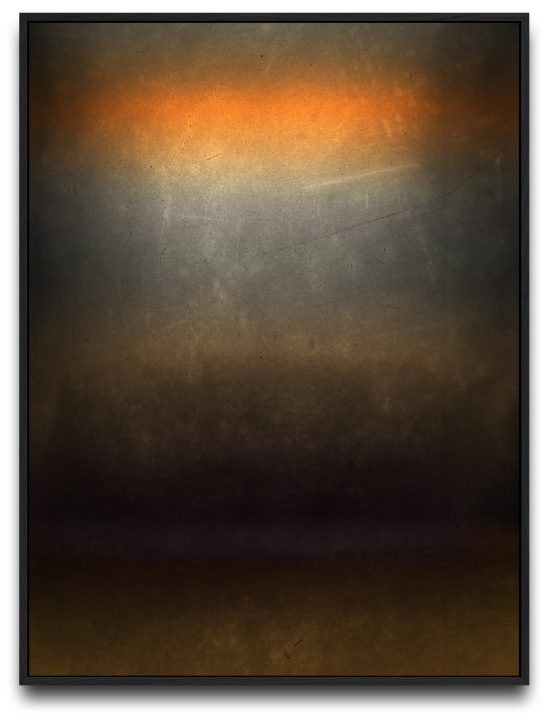
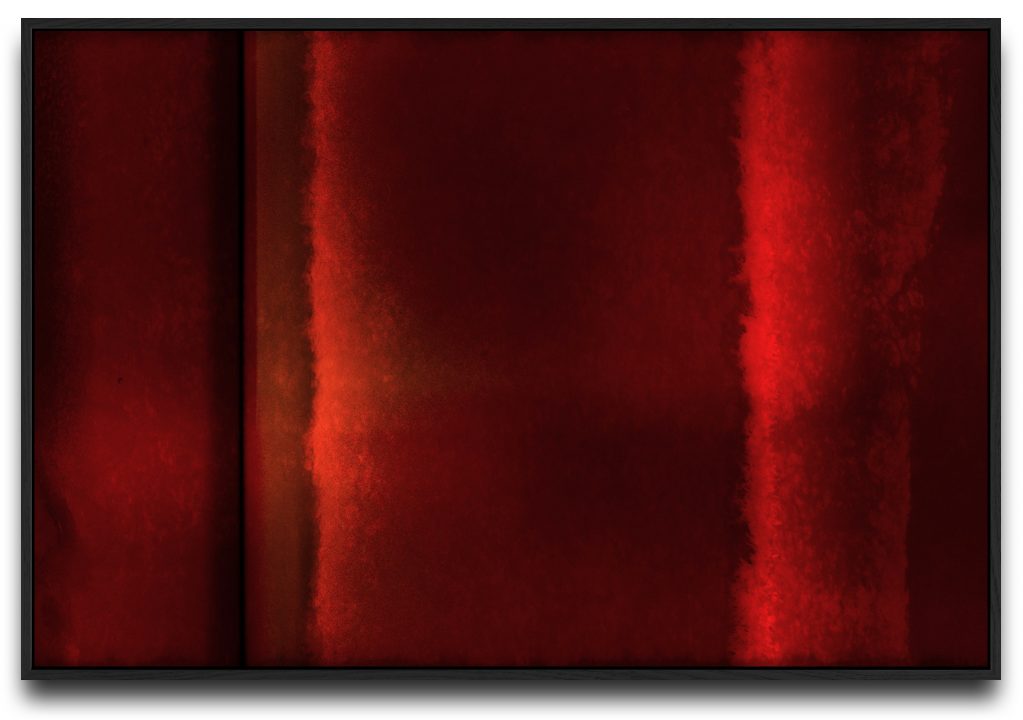
They appear at the beginning of a roll of film that is advanced manually after releasing the
shutter several times before the first picture is even taken. These exposures are made at the
exact transition to the light sensitive emulsion on the film. Usually overexposed or underexposed,
they are pastel or blood-red colored blots of color that „seep out“ onto the black uncoated film
surface and, with certain films and developing processes, lead to absolutely unique forms that
are reminiscent of cosmic or microcosmic structures. Precursors to modern abstract art.
They are all one-of-a-kind „side effects“, so to speak, of the magical interplay of chemistry
and light. They usually remain unnoticed or are cut off and discarded. More than 40 years
ago I discovered these rather inconspicuous analog phenomena, experimented with them and
collected them over the years until today. Since 2022 I’ve given them new life.
What remains is pure interpretation.
JOACHIM SCHMEISSER
JOACHIM SCHMEISSER